04
Jan
Whole-Home Surge Protectors: Why They’re Worth It
Power surges are one of those things most people don’t think about—until something expensive stops working. A surge can be obvious (like after a storm), but many surges are small, frequent, and happen inside your home. Over time, those “little hits” can shorten the life of TVs, fridges, furnaces, computers, chargers, and just about anything with a circuit board. That’s where a whole-home surge protector comes in.
What is a whole-home surge protector?
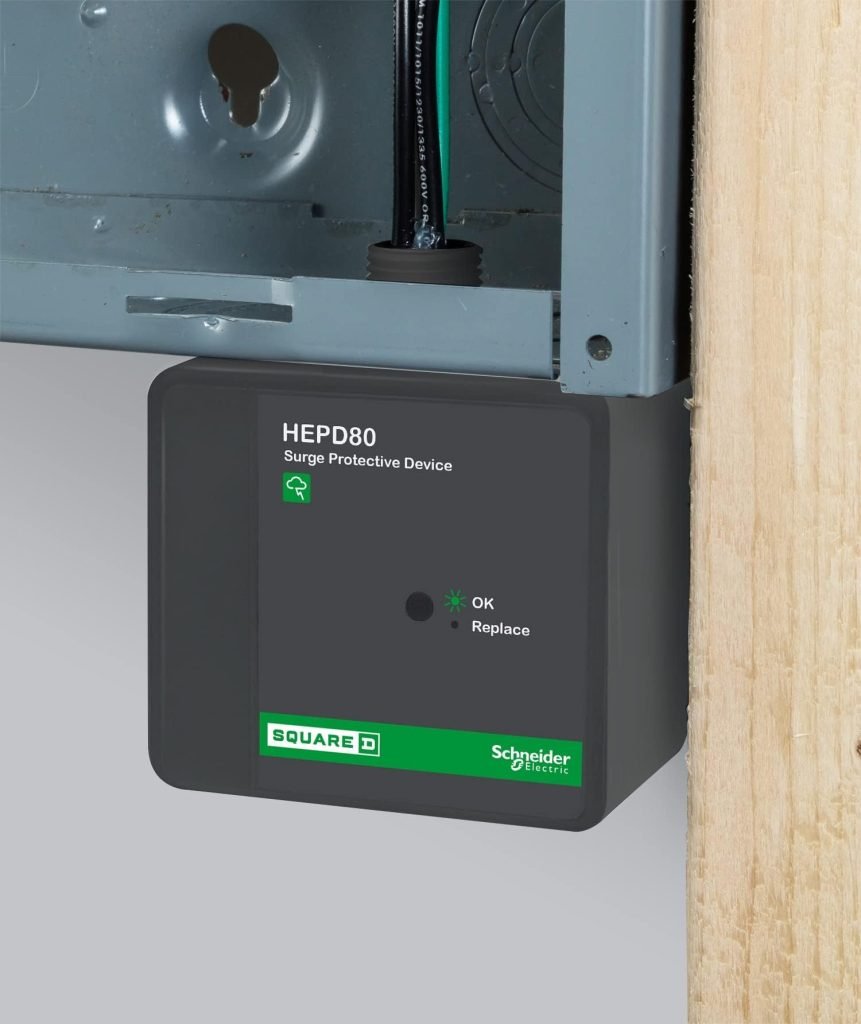
A whole-home surge protector (also called a “panel surge protector” or “service entrance surge protector”) is a device installed at or near your electrical panel. Its job is to reduce damaging voltage spikes before they travel through your home’s wiring and reach your appliances and electronics. Think of it like a bouncer at the door: it can’t prevent a surge from happening, but it can limit how much of that surge gets inside.
This is different from a power bar surge protector. Plug-in protectors can help, but they only protect what’s plugged into them and they don’t cover hardwired equipment like your furnace, heat pump, range, or built-in lighting and controls.
Where do surges come from?
Most people assume surges only come from lightning. Lightning can definitely cause huge spikes, but it’s not the most common source. A lot of surges are created much closer to home, such as:
- Large appliances cycling on/off (fridges, dryers, heat pumps, HVAC equipment)
- Power restoration after an outage
- Utility switching or transformer issues
- Nearby construction or service work on power lines
- EV chargers and other high-draw electronics ramping up/down
Many of these are short and hard to notice—yet they still stress sensitive components over time.
What a whole-home surge protector actually protects
A properly installed whole-home surge protector can help protect:
- TVs, sound systems, and gaming setups
- Computers, routers, and smart home hubs
- Kitchen appliances (fridge, dishwasher, range controls)
- Furnace and heat pump control boards
- EV chargers and garage electronics
- Lighting drivers (LED pot lights, under-cabinet lighting, etc.)
It’s not a “magic shield,” but it’s one of the best first lines of defense for modern homes full of electronics.
“Do I still need surge bars?”
Usually, yes. The best protection is layered:
- Whole-home surge protector at the panel to reduce big spikes
- Quality point-of-use protectors (surge bars) for sensitive devices like computers, TVs, and consoles
This combination helps handle both large surges and smaller localized spikes.

How long do they last?
Surge protectors don’t last forever. Each time they absorb a surge, they wear down a little. Quality units often include indicator lights showing whether the protection is still active. In a typical home, many last years, but it depends on your electrical environment and how often your area experiences outages or fluctuations.
If you’ve had a major storm event, repeated outages, or you’re unsure how old your surge protection is, it’s smart to have it checked.
Is a whole-home surge protector expensive?
Compared to replacing one appliance control board (or a fried TV), it’s usually a very reasonable upgrade. The exact cost depends on your panel type, available space, and the best placement for your setup, but for many homeowners it falls into the category of “small investment to prevent big headaches.”
When should you consider getting one?
A whole-home surge protector is especially worth considering if:
- You have expensive electronics or a home office setup
- You’ve invested in a heat pump, high-efficiency furnace, or EV charger
- You live in an area with frequent outages or storms
- Your home has lots of smart devices (thermostats, cameras, hubs, dimmers)
- You’ve experienced “random” device failures over the years
Even in newer homes, electronics are more sensitive than ever, so surge protection matters more, not less.
The bottom line
A whole-home surge protector helps reduce the risk of electrical damage and can extend the life of the devices you already paid good money for. If you want better peace of mind—especially in a home packed with modern electronics—it’s one of the simplest, most practical upgrades you can make.
If you’re in the Lower Mainland / Fraser Valley and want to know what surge protection setup makes sense for your panel, Triton Electric can help you choose the right option and install it safely and cleanly.