20
Mar
Installing a Home EV Charger: What You Need to Know
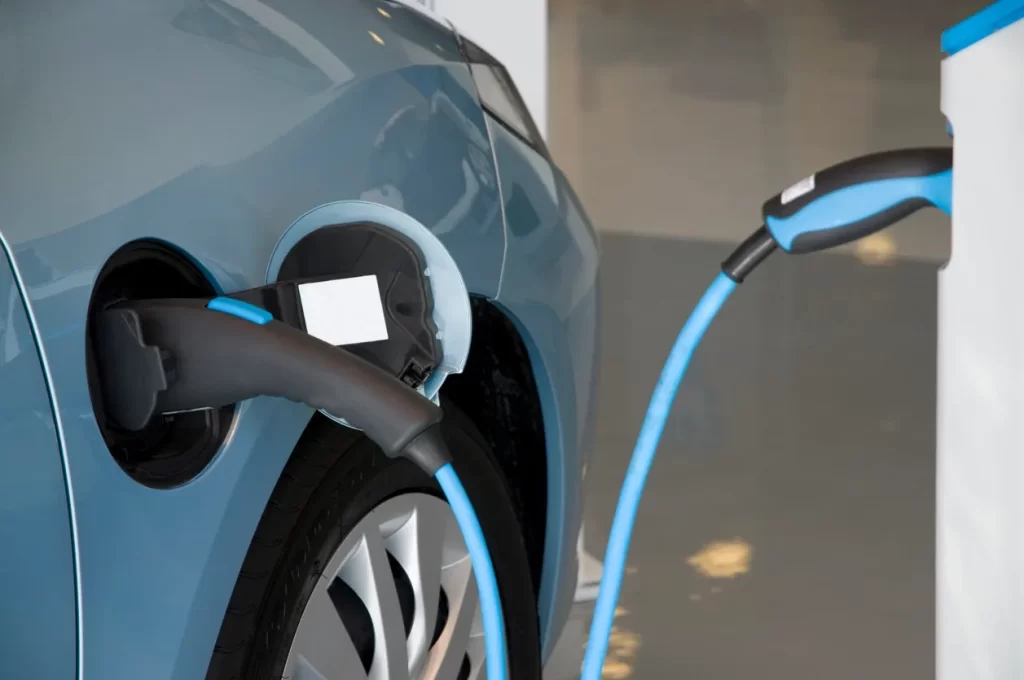
The popularity of electric vehicles (EVs) is skyrocketing, with more homeowners looking to install EV chargers in their garages or driveways. While public charging stations are becoming more widespread, the convenience of charging at home cannot be overstated. If you’re considering installing a home EV charger, here’s what you need to know to make an informed decision.
Types of Home EV Chargers
Before installing a charger, it’s essential to understand the different levels of EV charging:
- Level 1 Charging (120V)
- Uses a standard household outlet
- Charges at a slow rate (about 5-8 kms of range per hour)
- Best for overnight charging but not ideal for daily long-distance commuters
- Level 2 Charging (240V)
- Requires a dedicated 240V circuit
- Charges significantly faster (up to 40-50 kms of range per hour)
- Ideal for homeowners who drive frequently and need quicker charging times
- DC Fast Charging (Level 3)
- Typically found in commercial locations
- Charges an EV battery to 80% in about 30 minutes
- Not suitable for home installations due to high power demands
For most homeowners, a Level 2 charger is the best option as it balances speed and cost efficiency.
Choosing the Right EV Charger
Several factors determine which EV charger is best for your home:
- Compatibility: Ensure the charger is compatible with your vehicle’s charging port.
- Charging Speed: Look at the kilowatt (kW) output to determine how quickly it can charge your EV.
- Smart Features: Some chargers come with Wi-Fi connectivity, allowing you to monitor and control charging through a smartphone app.
- Weatherproofing: If you plan to install the charger outdoors, ensure it’s rated for outdoor use.
- Brand Reputation: Consider reputable brands like Tesla, ChargePoint, JuiceBox, and Wallbox.
Installation Process and Requirements:
Electrical Panel Capacity Check
Before installing a Level 2 charger, an electrician will need to assess your electrical panel’s capacity. Older homes may require an upgrade to handle the additional load.
Dedicated Circuit Installation
A Level 2 charger requires a dedicated 240V circuit with a properly rated breaker (usually 40-60 amps). This prevents overloading and ensures safe operation.
Permits and Codes
Depending on your location, you may need a permit before installing an EV charger. Local building codes and Canadian Electrical Code (CEC) regulations must also be followed.
Professional vs. DIY Installation
While some handy homeowners may attempt a DIY installation, it’s strongly recommended to hire a licensed electrician. A professional ensures the installation is safe, up to code, and prevents potential electrical hazards.
Cost of Installing a Home EV Charger
The total cost of installing a Level 2 EV charger depends on several factors:
- Charger unit cost: $300 – $1,200
- Installation cost: $500 – $2,000 (depending on wiring complexity and panel upgrades)
- Permits and inspections: $50 – $200
In total, expect to spend $1,000 – $3,500 on a home EV charging setup.
Potential Incentives and Rebates
If you are looking to purchase and install a Level 2 EV charger at home, you may qualify for a Home EV Charger Rebate. BC Hydro offers rebates can cover up to 50% of the cost, to a maximum of $350 for the purchase and installation of a charger. Offer applies for chargers installed at single-family homes, row homes, and duplexes.
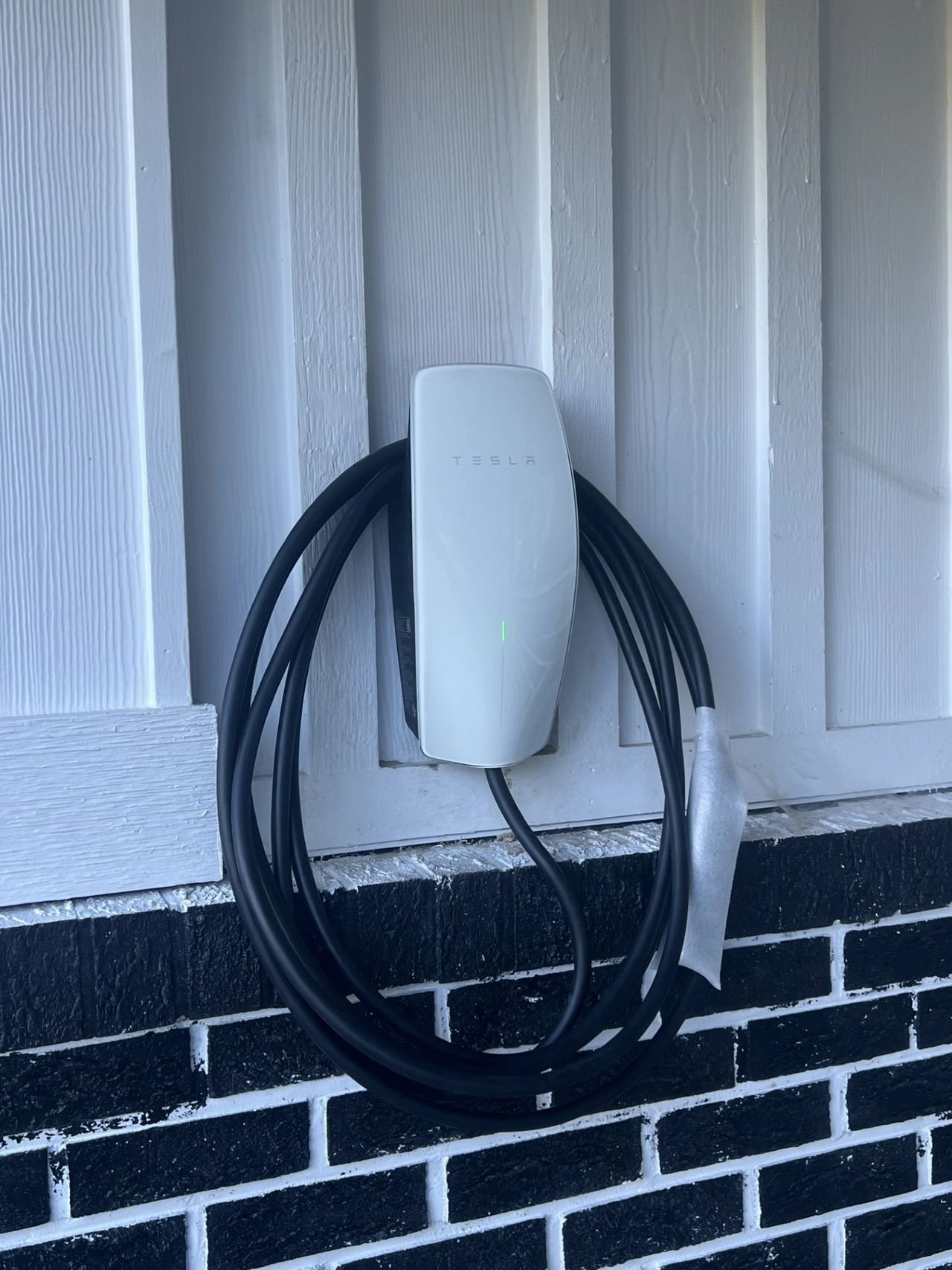
Is Your Home EV-Ready? Electrical Upgrades to Consider
If you’re planning to install an EV charger, your home’s electrical system must be up to the task. Here are key upgrades you may need before setting up your charger.
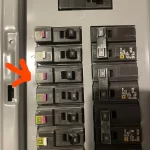
1. Upgrading Your Electrical Panel
Older homes often have 100-amp panels, which may not support an EV charger along with other household appliances. If your panel is outdated, you might need to upgrade to a 200-amp panel, which can cost between $1,500 – $4,000.
Signs You Need a Panel Upgrade:
- Frequently tripped breakers
- Dimming or flickering lights when appliances run
- Limited breaker space
- Panel is over 25 years old
2. Installing a Dedicated EV Circuit
Your home will need a 240V dedicated circuit to support a Level 2 charger. Running new wiring from the panel to the garage or driveway may require breaking walls, trenching, or conduit installation, increasing the complexity and cost.
3. Smart Load Management Systems
If your panel lacks extra capacity, you can install a load management system. This device balances power usage, ensuring the EV charger doesn’t overload your system when other high-demand appliances (like air conditioners or ovens) are running.
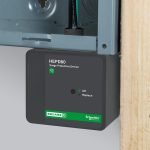
4. Surge Protection and Safety Upgrades
EV chargers draw a significant amount of power, making them susceptible to power surges. Installing a whole-house surge protector safeguards your charger and other electronics from voltage spikes.
Additionally, ensure your home’s wiring is in good condition and free of faults before adding a high-power device like an EV charger.
5. Outdoor Charging Considerations
If you plan to install your charger outdoors, consider:
- Weatherproofing: The charger must have a proper NEMA rating (e.g., NEMA 4 for weather resistance).
- Proper Mounting: Use a secure, durable mounting system.
- Cable Management: Install a retractable cord holder to keep charging cables organized and safe.
Making Your Home EV-Ready
Preparing your home for an EV charger is an investment that enhances convenience and property value. Whether you’re upgrading your electrical panel, installing a dedicated circuit, or adding smart load management, these enhancements ensure your home can handle future energy demands efficiently.
If you’re unsure about your home’s readiness, consult a licensed electrician for a professional assessment. With the right setup, you’ll enjoy fast, reliable home charging for years to come.
Need expert guidance on your EV charger installation? Contact Triton Electric today for a consultation and ensure your home is ready for the future of driving!