
13
Mar
Why Your Lights Keep Flickering (And When to Call an Electrician)
Flickering lights can be an annoying and sometimes alarming issue in any home or business. While a slight flicker might not seem like a big deal, persistent or sudden flickering could indicate underlying electrical problems that require immediate attention. Understanding why your lights flicker and when to call an electrician can help prevent potential safety hazards and costly repairs down the road.
Common Causes of Flickering Lights
1. Loose or Faulty Light Bulbs
One of the most common and easiest-to-fix causes of flickering lights is a loose or faulty light bulb. If your light flickers, try tightening the bulb to ensure it’s securely connected to the socket. If the problem persists, replacing the bulb may solve the issue, as older bulbs or those nearing the end of their lifespan can flicker before they burn out.
2. Incompatible Dimmer Switches
If your lights flicker when using a dimmer switch, the switch may not be compatible with the type of bulb you’re using. LED bulbs, for instance, require compatible dimmers to function properly. If your dimmable LED lights are flickering, consider upgrading to an LED-compatible dimmer switch.
3. Voltage Fluctuations
Voltage fluctuations can cause lights to flicker, dim, or even brighten unexpectedly. These fluctuations occur when large appliances like refrigerators, air conditioners, or washing machines cycle on and off, drawing significant power from the electrical system.
Signs of voltage fluctuations include:
- Lights flickering when appliances turn on
- Light bulbs burning out frequently
- Appliances running hotter than usual
If you notice these signs, it may indicate an overloaded circuit or other electrical issues that require professional attention.
4. Loose Wiring Connections
Loose or faulty wiring is one of the most serious causes of flickering lights. Poor connections can lead to overheating, sparking, or even electrical fires. Common wiring issues include:
- Loose connections in outlets, switches, or fixtures
- Worn-out or damaged wiring
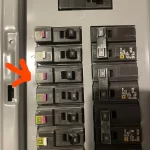
- Faulty electrical panel connections
If you suspect a wiring issue, do not attempt to fix it yourself. Electrical work can be dangerous and should always be handled by a licensed electrician.
5. Overloaded Circuits
If multiple appliances are running on the same circuit, the electrical load may exceed the circuit’s capacity, causing lights to flicker. This is particularly common in older homes with outdated wiring that wasn’t designed to handle modern electrical demands.
Signs of an overloaded circuit include:
- Circuit breakers frequently tripping
- Warm or discolored outlets and switches
- Buzzing sounds coming from outlets or breaker panels
To prevent overload, consider redistributing your electrical load or upgrading your electrical panel to accommodate increased power demands.
6. Problems with the Electrical Service Provider
Sometimes, flickering lights may not be due to issues inside your home but rather a problem with the electrical service provider. Utility grid issues, damaged power lines, or fluctuations in your neighborhood’s power supply can all cause flickering lights.
If you notice widespread flickering affecting multiple homes in your area, contact your electricity provider to report the issue.
7. Weather-Related Issues
Storms, strong winds, or downed power lines can cause flickering or intermittent power loss. If you experience flickering lights during bad weather, it could be due to:
- Damaged power lines
- Electrical surges caused by lightning
- Temporary disruptions from the power grid
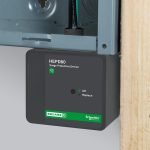
Installing whole-home surge protectors can help safeguard your home from power surges caused by storms.

When to Call an Electrician
While some flickering issues are minor and can be resolved with simple fixes, others may indicate a more serious electrical problem that requires professional intervention. Here are some scenarios where calling an electrician is essential:
1. Frequent or Persistent Flickering
If your lights flicker regularly and replacing bulbs doesn’t help, it could be a sign of deeper electrical issues like faulty wiring, overloaded circuits, or voltage fluctuations. A licensed electrician can diagnose the problem and provide a safe and effective solution.
2. Flickering Throughout the Home
When multiple lights flicker throughout your house, it’s a sign of a major electrical issue, such as a problem with the main electrical panel, loose service connections, or an issue with the power grid. A professional electrician can inspect and repair these issues before they become dangerous.
3. Burning Smell or Sparks
If flickering lights are accompanied by a burning smell, smoke, or visible sparks, shut off the power immediately and call an electrician. These signs could indicate an electrical fire hazard that requires urgent attention.
4. Circuit Breaker Tripping Repeatedly
If your circuit breakers trip frequently along with flickering lights, it may mean your electrical system is overloaded or there’s a short circuit. An electrician can assess whether you need to upgrade your electrical panel or redistribute your circuits.
5. Buzzing or Humming Sounds
Unusual noises from your light fixtures, outlets, or electrical panel could signal loose wiring, overloaded circuits, or failing components. These sounds should never be ignored, as they could lead to electrical failures or fires.
6. Old or Outdated Wiring
Homes with older wiring systems (such as knob-and-tube or aluminum wiring) are more prone to electrical issues, including flickering lights. If your home is several decades old and still has its original wiring, consider an electrical inspection to ensure your system is up to current safety standards.
How to Prevent Flickering Lights
While not all flickering light issues can be prevented, there are steps you can take to minimize the risk:
- Use high-quality, compatible light bulbs – Cheap or incompatible bulbs can cause flickering.
- Upgrade outdated wiring – If your home has old wiring, upgrading to modern electrical systems can improve safety and performance.
- Avoid overloading circuits – Distribute electrical loads properly to prevent overloading.
- Schedule regular electrical inspections – A professional electrician can identify potential issues before they become serious problems.
- Invest in surge protectors – Whole-home surge protectors can help protect against power fluctuations.
Conclusion
Flickering lights can be a minor inconvenience or a warning sign of a serious electrical issue. While some causes, such as loose bulbs or incompatible dimmers, are easy to fix, others—like faulty wiring or overloaded circuits—require professional attention. If you’re experiencing persistent flickering, widespread electrical issues, or signs of a fire hazard, don’t hesitate to call an electrician.
At Triton Electric, we specialize in diagnosing and repairing all types of electrical issues. Whether it’s a simple fix or a major electrical upgrade, our experienced electricians are here to help. Contact us today for a professional electrical inspection and keep your home or business powered safely and efficiently!